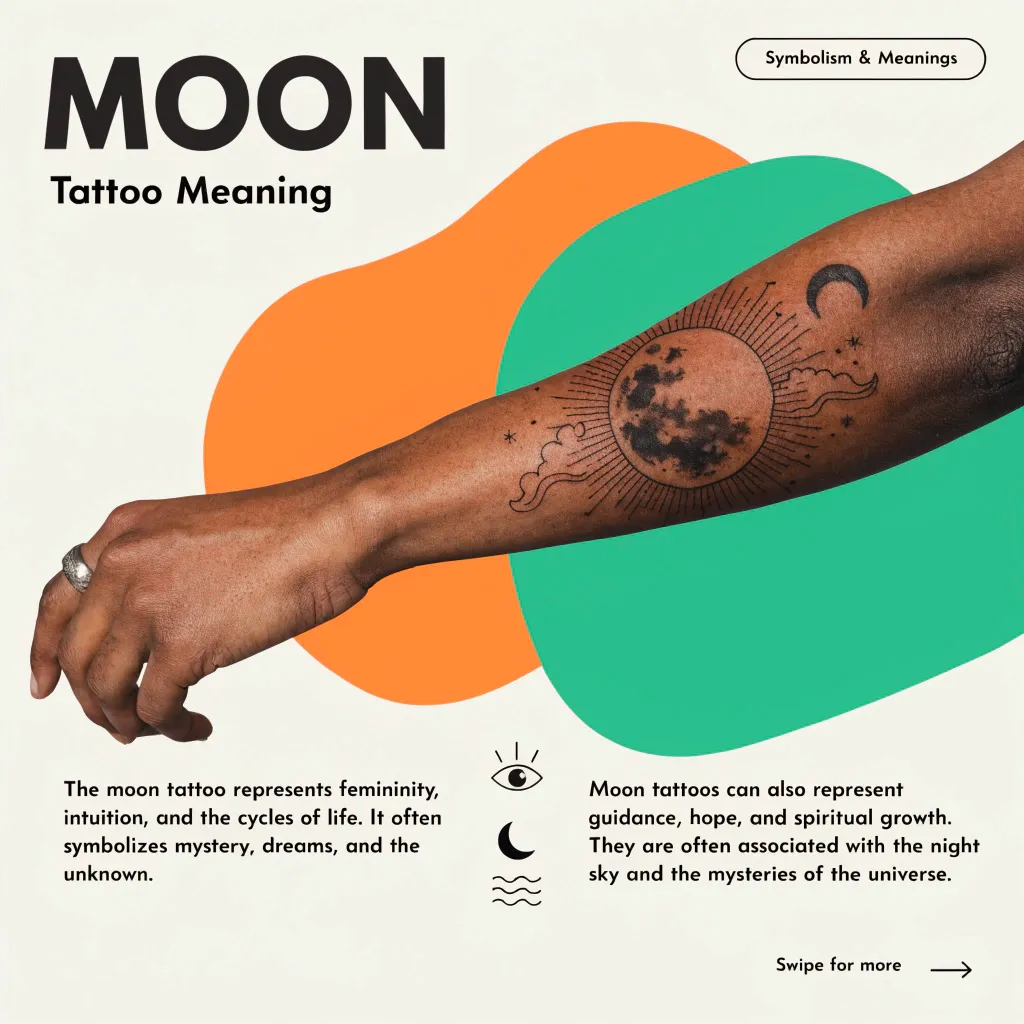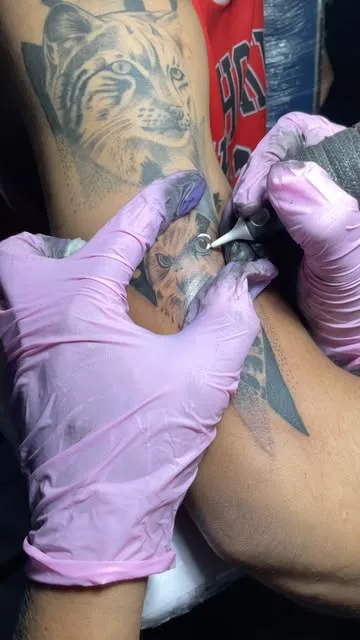

Bali is a destination where many travelers combine different experiences in one holiday. Some spend their mornings exploring tropical beaches, while others visit local tattoo studios to get a permanent reminder of their journey. In Nusa Penida, where clear waters and marine life attract visitors from around the world, it is easy to understand why people want to fit both activities into their itinerary.
However, there is one important consideration when planning a tattoo and a snorkeling trip: your skin needs time to heal.
If you are planning to get a tattoo during your Bali holiday, understanding how healing works can help you avoid unnecessary complications and make better decisions about your activities. Here is what you should know before combining a tattoo appointment with a snorkeling experience.
1. Why a New Tattoo Needs Time to Heal
A tattoo is more than a design placed on the surface of your skin. During the tattooing process, needles deposit ink into the dermis, the layer of skin beneath the outer epidermis. This process creates many tiny punctures that your body must repair.
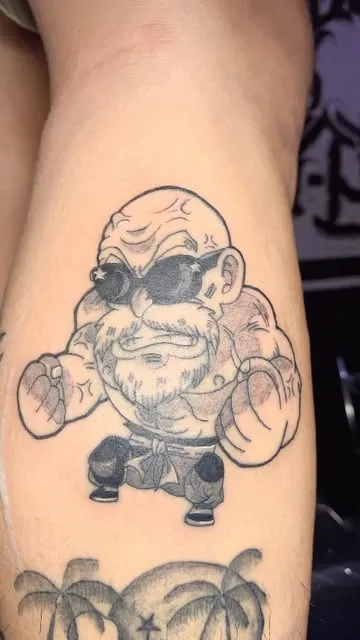
Immediately after a tattoo session, the treated area may appear red, swollen, or sensitive. During the following days, you may notice peeling, itching, and small flakes of skin as the healing process continues.
These reactions are generally part of normal healing, although increasing redness, worsening pain, pus, or fever can indicate a problem that requires medical attention.
While the skin is recovering, its natural protective barrier is temporarily disrupted. This means you need to be careful with activities that involve prolonged water exposure, friction, sweat, or potential contact with microorganisms.
The size, placement, shading, and complexity of your tattoo can influence how the area heals. Your individual skin condition and aftercare routine also matter.
A tattoo that looks dry on the surface is not necessarily fully healed underneath. For this reason, appearance alone should not determine when you return to swimming.
2. Can You Go Snorkeling After Getting a Tattoo?
The safest approach is to avoid snorkeling until your tattoo has completely healed.
Snorkeling usually involves spending an extended period in seawater, moving your body against waves, wearing equipment, and sometimes climbing in and out of a boat. These conditions are not ideal for recently tattooed skin.
Seawater is not sterile. Although the ocean may look clean and clear, it can contain microorganisms that can enter damaged skin. A fresh tattoo may therefore be more vulnerable to infection than fully healed skin.
Saltwater immersion can also irritate the treated area, while friction from clothing, life jackets, straps, or other snorkeling equipment may aggravate sensitive skin.
There is no single recovery timeline that applies to everyone. Many tattoos take around two to four weeks for the surface to heal, but some require longer. Deeper healing can take additional time.
Do not use a fixed number of days as permission to swim. Wait until the skin has fully healed, with no open areas, scabs, peeling, or persistent tenderness. If you are uncertain, consult your tattoo artist or a healthcare professional.
Waterproof coverings should not be treated as a guaranteed way to make snorkeling safe with a fresh tattoo.
3. What If Snorkeling Is Already Part of Your Bali Itinerary?
If you have already booked a snorkeling trip, consider scheduling your tattoo appointment after your ocean activities rather than before them.
For example, imagine that you have three days planned in Nusa Penida. You want to explore the coastline, spend time in the water, and finish your holiday with a small fine-line tattoo.
A practical itinerary would place your snorkeling trip first and your tattoo appointment later, leaving enough time for appropriate aftercare before traveling home.
This approach reduces the pressure to choose between an activity you have booked and the healing process your skin needs.
If your tattoo appointment has already taken place, reconsider any planned swimming sessions until the tattoo is healed. Rescheduling an activity is generally a better option than risking irritation or infection.
Travelers should also consider their accommodation, transportation, sun exposure, and access to clean water when planning their tattoo appointment.
A little preparation can make the experience more comfortable without forcing you to change every part of your holiday.
4. Planning a Snorkeling Trip in Nusa Penida
Nusa Penida is known for its coastal scenery and opportunities to explore marine environments. For visitors who enjoy the ocean, snorkeling can be an important part of a Bali itinerary.
If you are planning your trip and want to learn more about local snorkeling routes and available experiences, you can visit SnorkelingPenida.com.
Researching your options in advance can help you choose an activity that fits your schedule, interests, and experience level.
However, if you have recently received a tattoo, remember that the decision to enter the water should depend on your skin’s healing progress, not simply on the availability of a boat trip.
You can still enjoy other aspects of your holiday while your tattoo heals. Exploring local villages, visiting restaurants, discovering cultural attractions, or enjoying the scenery from suitable viewpoints may offer alternatives that do not require immersing your skin in seawater.
When spending time outdoors, protect your healing tattoo from direct sunlight according to your tattoo artist’s instructions. Avoid applying sunscreen directly to broken or unhealed skin unless a healthcare professional advises otherwise. Covering the area with clean, loose clothing may be more appropriate.
5. How to Care for Your Tattoo During a Tropical Holiday
Bali’s warm, humid climate can make aftercare particularly important. Heat, sweating, friction, and exposure to environmental contaminants may affect comfort while your skin recovers.
Follow the aftercare instructions provided by your tattoo artist. Different tattooing methods and dressings may require different approaches, so avoid replacing professional guidance with a generic online routine.
Some basic principles can help:
- Keep the tattoo clean. Wash your hands before touching the area and follow the recommended cleaning instructions.
- Avoid soaking the skin. Do not swim in the ocean, pools, hot tubs, or baths until the tattoo has healed.
- Reduce friction. Choose loose, clean clothing that does not repeatedly rub against the tattoo.
- Avoid picking at peeling skin. Let the skin shed naturally rather than pulling away scabs or flakes.
- Limit sun exposure. Protect the healing area with appropriate clothing and shade.
- Follow product instructions. Use only suitable aftercare products in the amount recommended by your tattoo artist.
Do not assume that fresh water, a hotel swimming pool, or a private beach is automatically safe for a new tattoo. The main concern is immersing skin that has not yet healed, regardless of how inviting the water looks.
Seek medical advice if you develop spreading redness, increasing swelling or pain, unusual discharge, or fever.
6. Should You Get a Tattoo at the Beginning or End of Your Holiday?
The best time depends on what you want to do during your trip.
If your holiday focuses on beaches, swimming, surfing, diving, or snorkeling, scheduling your tattoo toward the end of your stay may be more practical. You can enjoy your planned water activities first and then focus on caring for your new tattoo.
However, getting a tattoo near the end of a holiday does not eliminate the need for aftercare. Your skin will continue healing after you leave Bali, and you must still avoid swimming and other activities that could interfere with recovery.
If you are staying for several weeks, you may have more flexibility. You can plan your appointment around your activities and allow sufficient healing time before returning to the water.
Before making a booking, ask the tattoo artist about expected healing, recommended aftercare, and any travel considerations relevant to your design.
The important thing is to plan realistically. A tattoo is permanent, while a snorkeling trip can usually be rescheduled.
7. Enjoy Bali Without Rushing the Healing Process
Getting a tattoo and exploring the ocean can both be memorable parts of a Bali holiday. The key is understanding that they require different conditions.
Snorkeling involves immersion in natural water, physical movement, and exposure to the marine environment. Tattoo healing requires cleanliness, protection, and time for the skin to recover.
Trying to fit both activities too close together can create unnecessary problems. Planning them in the right order allows you to enjoy your trip without putting avoidable pressure on your healing skin.
If snorkeling is high on your list, consider completing your ocean activities before visiting a tattoo studio. If you already have a new tattoo, give it the time it needs before returning to the sea.
With a little planning, you can appreciate Bali’s tattoo culture and the natural beauty of Nusa Penida while making informed decisions about your skin and your holiday.